
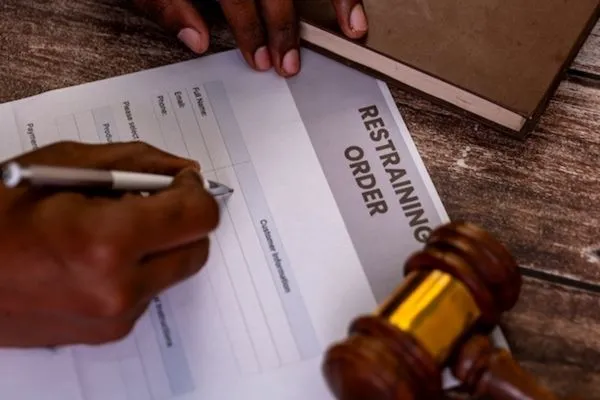

Domestic violence shakes your sense of safety and control. A protective order can give you fast legal protection. It can also create sudden limits on where you live, who you see, and how you parent. You may feel fear, anger, or shame. You may also feel confused about what a court can order and how long it can last. This guide explains how protective orders work in domestic violence cases. It shows what judges look for, what a protective order can include, and how it affects your daily life. It also explains what happens if someone breaks the order. If you face a hearing, you should speak with an experienced defense lawyer. You deserve clear answers and a plan. You also deserve safety, stability, and respect while you move through the court process.
Also Read: AI Data Annotation Services: Key to Scalable and Reliable AI Solutions
What A Protective Order Does
A protective order is a court order that sets clear rules. It tells the person accused of abuse what they can and cannot do. It gives you a paper that police can enforce.
Depending on your state, a protective order can:
- Order the person to stay away from you, your children, and your home
- Ban calls, texts, emails, and messages on social media
- Order the person to move out of a shared home
- Address temporary child custody and visitation
- Order the person to surrender firearms
- Set rules for contact through lawyers or a court app
You can read a simple overview of protective orders from the U.S. Department of Justice Office on Violence Against Women.
Types Of Protective Orders
States use different names. The process usually follows the same pattern. First there is a fast short order. Then there may be a longer order after a hearing.
Common Types Of Protective Orders In Domestic Violence Cases
| Type of Order | How You Get It | Is The Other Person Present | Typical Length | Common Use |
|---|---|---|---|---|
| Emergency Order | Through police or judge after a crisis | No | Hours to a few days | Immediate safety during an urgent event |
| Temporary (Ex Parte) Order | You file at court and speak to a judge | No | Until the first full hearing | Short term protection while the case starts |
| Final or Long Term Order | After a full hearing with both sides | Yes | Months to several years | Ongoing safety and clear rules |
States also use names like restraining order, protection from abuse order, or no contact order. The purpose stays the same. The court sets limits to prevent more harm.
How You Request A Protective Order
You have the right to ask the court for help. You can often file without paying a fee in a domestic violence case.
In many states you follow three steps.
First you complete forms. You write what happened, when it happened, and how you know the person. You describe past violence, threats, stalking, or control. You list children or family who need protection.
Second you see a judge the same day or within a short time. You speak under oath. The judge may ask short questions. The accused person is usually not present at this first step.
Third if the judge signs a temporary order, the police or a process server give a copy to the accused person. The order does not take effect until that person is served.
You can find state specific steps through the U.S. Office on Women’s Health domestic violence resources.
What Judges Look For
Judges hear many painful stories. They use clear legal standards. You help the judge by giving simple concrete facts.
Judges often look for:
- Recent physical harm, threats, or stalking
- Past incidents that show a pattern of control
- Police reports, photos, texts, or medical records if they exist
- Risk to children or other family members
- Access to weapons and any threats involving weapons
You do not need police reports or medical records to ask for an order. Your sworn words matter. Still, any support documents can strengthen your request.
Your Rights At The Hearing
At the full hearing both you and the accused person can speak. You can bring a lawyer. You can bring witnesses. You can bring photos, messages, and other proof.
During the hearing you can:
- Tell the judge what happened in your own words
- Explain how the abuse affects your safety and your children
- Ask the judge for specific terms, such as no contact or a move out order
- Respond to what the other person says
The judge may grant the order, change it, or deny it. If the judge denies it, you can still look at safety planning with an advocate or counselor.
How Long Protective Orders Last
The length of a protective order depends on state law and your facts. Many final orders last one to five years. Some courts can extend orders or make them longer if there is high risk.
You usually can ask the court to extend an order before it ends. You may need to show the judge that you still fear harm or that the person broke past orders.
What Happens If Someone Breaks The Order
A protective order is a court order. Breaking it has serious legal results.
If the accused person breaks the order, you can:
- Call 911 and show police the order
- Write down what happened, when, and where
- Save texts, calls, or messages that break the order
Police can arrest the person if they have reason to believe the order was broken. The person may face criminal charges, jail, fines, or changes in child custody. The judge can also change or extend the order.
Why Legal Help Matters
Protective orders affect housing, work, parenting, and immigration status. You protect yourself by knowing your rights and by getting legal help when you can.
You can:
- Talk with a legal aid office in your county
- Call a local domestic violence hotline for court support
- Speak with an experienced defense lawyer if you are accused
You deserve safety and clear rules. You also deserve a fair process. Understanding how protective orders work can lower fear and help you make firm choices for yourself and your family.